


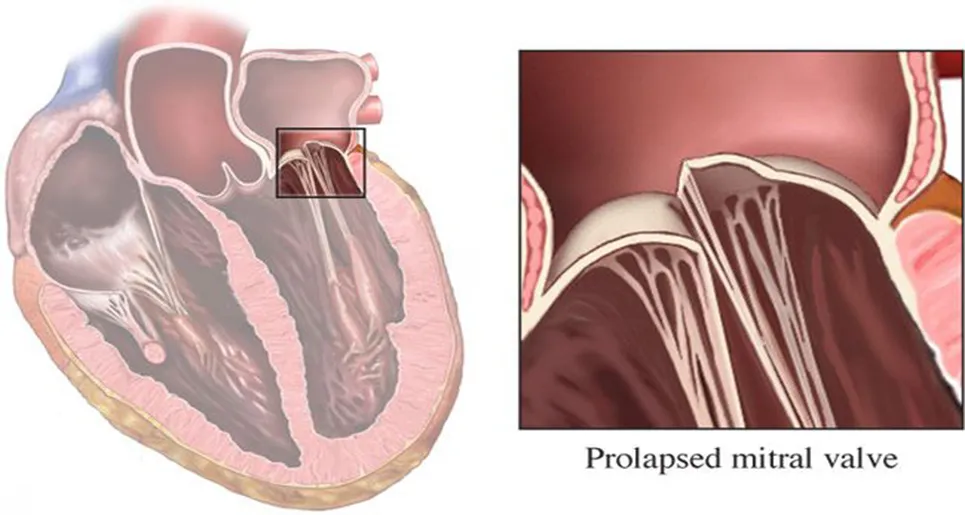
Mitral Valve Prolapse (MVP) and Pregnancy
 Category: Articles
 In Date: Tuesday, March 26, 2024
 No views
 study time: ۱۵ Minutes
Mitral Valve Prolapse (MVP) and Pregnancy
Mitral valve prolapse (MVP) is one of the most common heart valve disorders, affecting approximately 2–3% of the general population. Although most cases are mild and asymptomatic, the cardiovascular changes during pregnancy may require additional monitoring in some women.
Mitral valve prolapse (MVP) is one of the most common heart valve disorders, affecting approximately 2–3% of the general population. Although most cases are mild and asymptomatic, the cardiovascular changes during pregnancy may require additional monitoring in some women.
What you read in this article:
Management Strategies for Mitral Valve Prolapse During Pregnancy
- Medical Treatment
- Lifestyle Modifications
- Surgical Intervention
- Monitoring and Follow-Up
- Delivery Planning
- Postpartum Care
Mitral Valve Prolapse and Pregnancy
During pregnancy, blood volume, heart rate, and cardiac output increase to support fetal development. While women with uncomplicated MVP generally tolerate these changes well, those with significant mitral regurgitation or cardiac arrhythmias may experience symptoms such as palpitations, fatigue, or shortness of breath.
Most women with mild MVP can expect favorable pregnancy outcomes. However, individualized assessment is important for identifying potential cardiovascular risks.
Management Strategies for Mitral Valve Prolapse During Pregnancy
1. Medical Treatment
Most women with uncomplicated MVP do not require specific medication.
• Beta-Blockers: May be prescribed for clinically significant palpitations or certain arrhythmias.
• Other Cardiovascular Medications: May be considered when specific cardiac complications require treatment.
• Anticoagulants: Not routinely recommended for isolated MVP but may be necessary in patients with additional conditions, such as atrial fibrillation or previous thromboembolic events.
Medication selection should always consider maternal and fetal safety.
2. Lifestyle Modifications
Maintaining a healthy lifestyle can help support cardiovascular health during pregnancy.
• Physical Activity: Moderate exercise is generally appropriate in uncomplicated cases.
• Limiting Stimulants: Excessive caffeine may worsen palpitations.
• Rest and Stress Management: Adequate sleep, balanced nutrition, and relaxation techniques may help improve overall well-being.
3. Surgical Intervention
Surgery is rarely necessary during pregnancy. Women with severe mitral regurgitation or significant cardiac dysfunction may require evaluation for valve intervention before conception.
Surgical treatment during pregnancy is generally reserved for exceptional cases involving serious complications that cannot be controlled medically.
4. Monitoring and Follow-Up
Regular prenatal care and appropriate cardiac assessment are important, particularly for women with symptomatic MVP.
• Echocardiography: Evaluates mitral valve function and the severity of regurgitation.
• Cardiac Monitoring: May be recommended for patients with suspected arrhythmias.
• Fetal Monitoring: Additional assessments may be required depending on maternal cardiac status and obstetric risk factors.
5. Delivery Planning
Vaginal delivery is generally preferred for women with uncomplicated MVP.
The timing and mode of delivery should be determined individually, considering maternal cardiac function and obstetric conditions. Cesarean delivery is usually reserved for obstetric indications or selected cases involving serious cardiac complications.
6. Postpartum Care
Postpartum follow-up is particularly important for women with significant mitral regurgitation, arrhythmias, or impaired cardiac function.
Cardiovascular assessment, medication review, and family planning counseling may be recommended according to individual needs.
Conclusion
Most women with mitral valve prolapse can experience a healthy pregnancy and delivery. Appropriate risk assessment, regular prenatal care, and collaboration between obstetricians and cardiologists are essential for managing complicated cases and supporting favorable maternal and fetal outcomes.
This article is intended for educational purposes and does not replace professional medical advice.
 Tags:
 Sharing:


Write your opinion about this article

There are no comments yet