


IVF
 Category: Articles
 In Date: Saturday, March 9, 2024
 No views
 study time: ۱۰ Minutes
In Vitro Fertilization (IVF)
In vitro fertilization (IVF) is an advanced assisted reproductive technology (ART) that helps individuals and couples experiencing infertility achieve pregnancy. By combining eggs and sperm outside the body in a laboratory setting, IVF offers an established treatment option for a wide range of fertility challenges.
What you read in this article:
- What Is In Vitro Fertilization (IVF)?
- How Does IVF Work?
- Important Considerations Before IVF
What Is In Vitro Fertilization (IVF)?
IVF is a fertility treatment in which eggs are collected from the ovaries and fertilized with sperm under controlled laboratory conditions. The resulting embryos are monitored during development, and a selected embryo may be transferred into the uterus to establish pregnancy. Additional suitable embryos may be frozen for future use.
How Does IVF Work?
The IVF process involves several key stages:
- Ovarian Stimulation: Hormonal medications, including follicle-stimulating hormone (FSH), are used to stimulate the development of multiple ovarian follicles.
- Egg Retrieval: Mature eggs are collected through a minimally invasive procedure, typically guided by ultrasound.
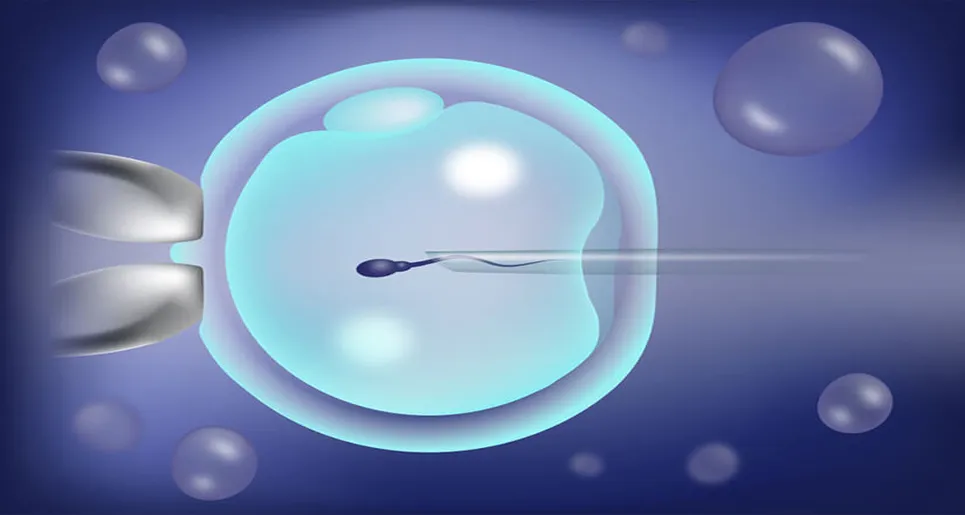
- Fertilization: Retrieved eggs are fertilized in the laboratory using conventional IVF or intracytoplasmic sperm injection (ICSI).
- Embryo Development: Fertilized eggs are cultured and monitored for several days to assess embryo development.
- Embryo Transfer: A selected embryo is transferred into the uterus, or frozen for transfer in a later cycle.
In selected cases, preimplantation genetic testing (PGT) may be recommended to assess embryos for specific genetic or chromosomal abnormalities.
Important Considerations Before IVF
IVF requires careful medical monitoring and individualized treatment planning. Success rates vary depending on factors such as age, ovarian reserve, embryo quality, and the underlying causes of infertility.
Patients should also be informed about potential treatment risks, including ovarian hyperstimulation syndrome (OHSS), as well as the emotional and financial aspects of the process.
Consultation with a fertility specialist helps patients understand their options and make informed decisions.
Conclusion
IVF has transformed reproductive medicine, offering new possibilities for individuals and couples facing infertility. Advances in ovarian stimulation, embryology, and reproductive technologies continue to improve fertility care, supporting more personalized and effective treatment approaches.
 Tags:
 Sharing:


